Recovery after a stroke continues long after a patient leaves the hospital. At home, everyday choices such as what to eat, how meals are prepared, and how underlying health conditions are managed can become an important part of ongoing care.
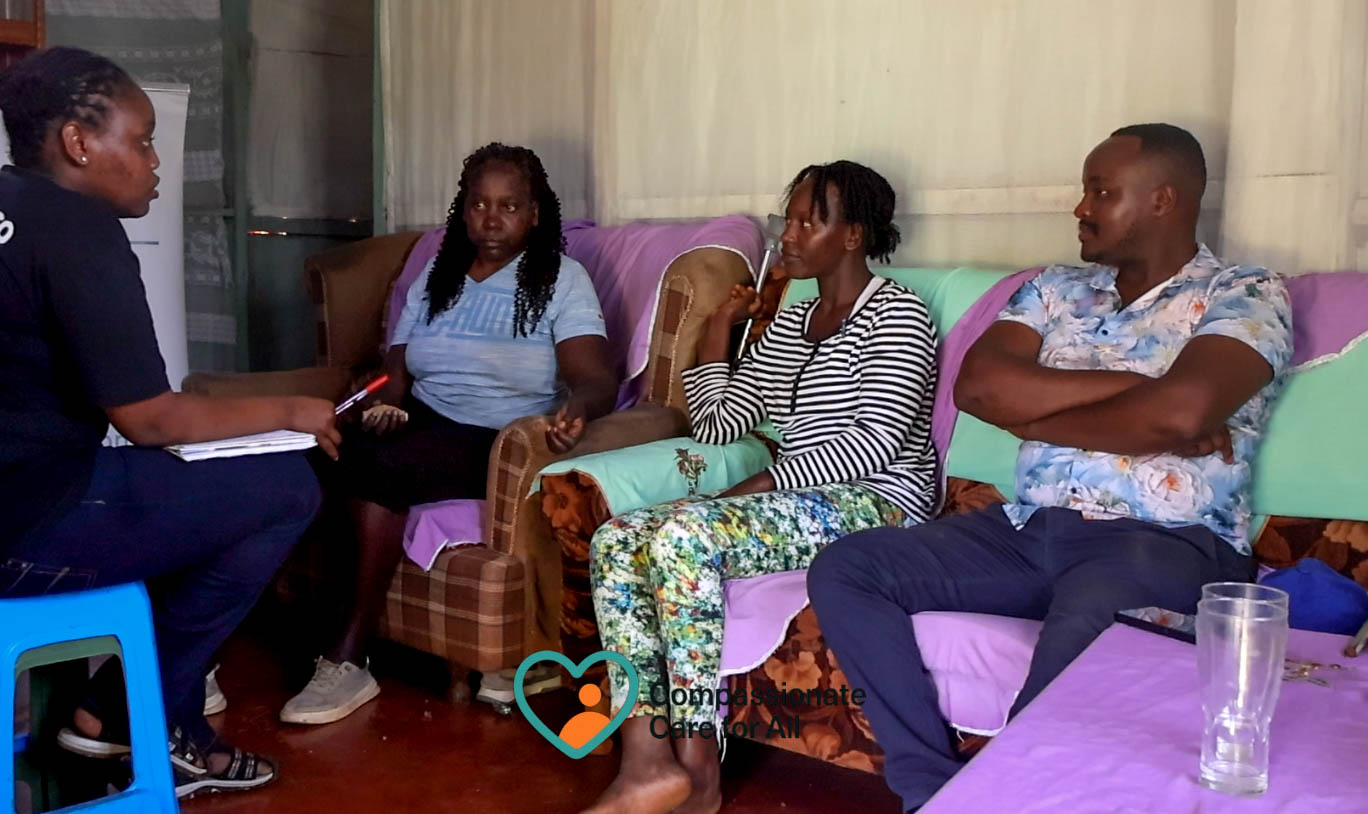
As part of our home-based care programme, Compassionate Care for All (CCFA) is supporting a stroke patient and caregiver with practical nutrition and diet education.
During the session, the caregiver is guided on preparing balanced meals using affordable, locally available foods and making dietary choices that support the patient’s overall health. The training also covers practical ways to manage salt and sugar intake, encourage adequate hydration, and consider other health conditions that may influence the patient’s nutritional needs.
Rather than simply providing a list of foods, CCFA focuses on helping caregivers understand why certain dietary choices matter and how they can incorporate healthier practices into everyday family meals.
For families caring for someone after a stroke, this knowledge can help make home care more organized and responsive to the patient’s needs. It also gives caregivers greater confidence in supporting recovery beyond the hospital setting.
Nutrition education is one part of CCFA’s broader approach to home-based recovery, alongside caregiver training, rehabilitation support, health monitoring, psychosocial support, and continued follow-up.