Recovery is not only about physical health. For patients and families living with illness, the emotional and social impact can be just as significant.
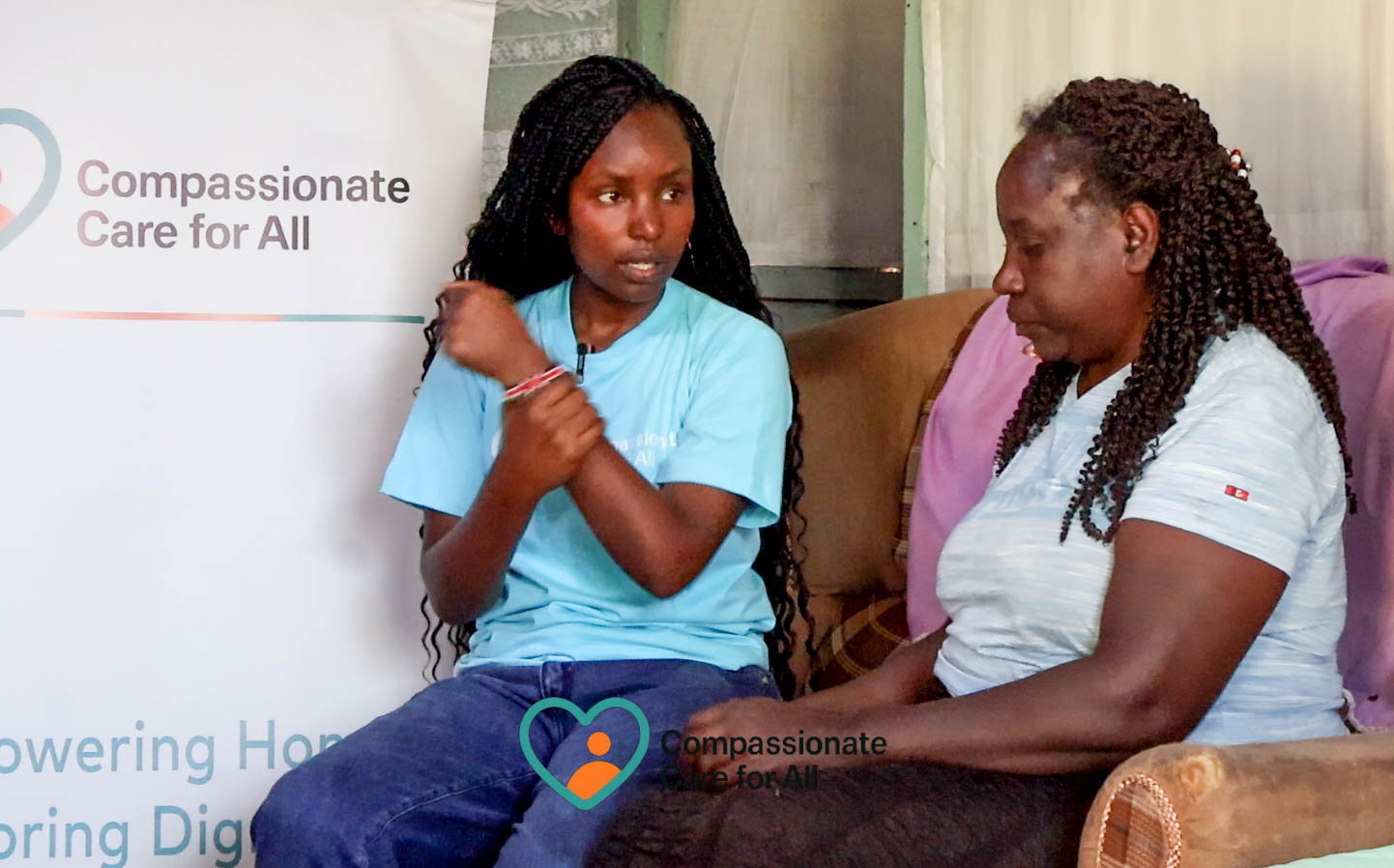
Through Compassionate Care for All (CCFA), patients and caregivers receive guidance and counselling as part of our holistic approach to home-based care. These sessions provide a safe and supportive space for individuals to talk about the challenges they are experiencing, express their concerns, and explore practical ways of coping with changes brought about by illness.
For patients recovering from conditions such as stroke and other long-term illnesses, changes in mobility, independence, communication, daily routines, and relationships can be difficult to navigate. Caregivers may also experience stress, uncertainty, emotional exhaustion, or concerns about whether they are providing the right care.
During the session, CCFA provides supportive guidance tailored to the patient's and caregiver's circumstances. The focus is on listening, understanding their concerns, strengthening coping strategies, and helping families identify sources of support when additional assistance is needed.
Guidance and counselling form an important part of CCFA's broader model of care. Alongside rehabilitation, nutrition education, caregiver training, health monitoring, and follow-up, psychosocial support helps us look beyond the illness and consider the person and family as a whole.
Because recovery is more than physical healing. Patients and caregivers also need someone to listen, understand, and walk alongside them.