When a stroke strikes, life changes overnight not only for the patient, but for the entire family.
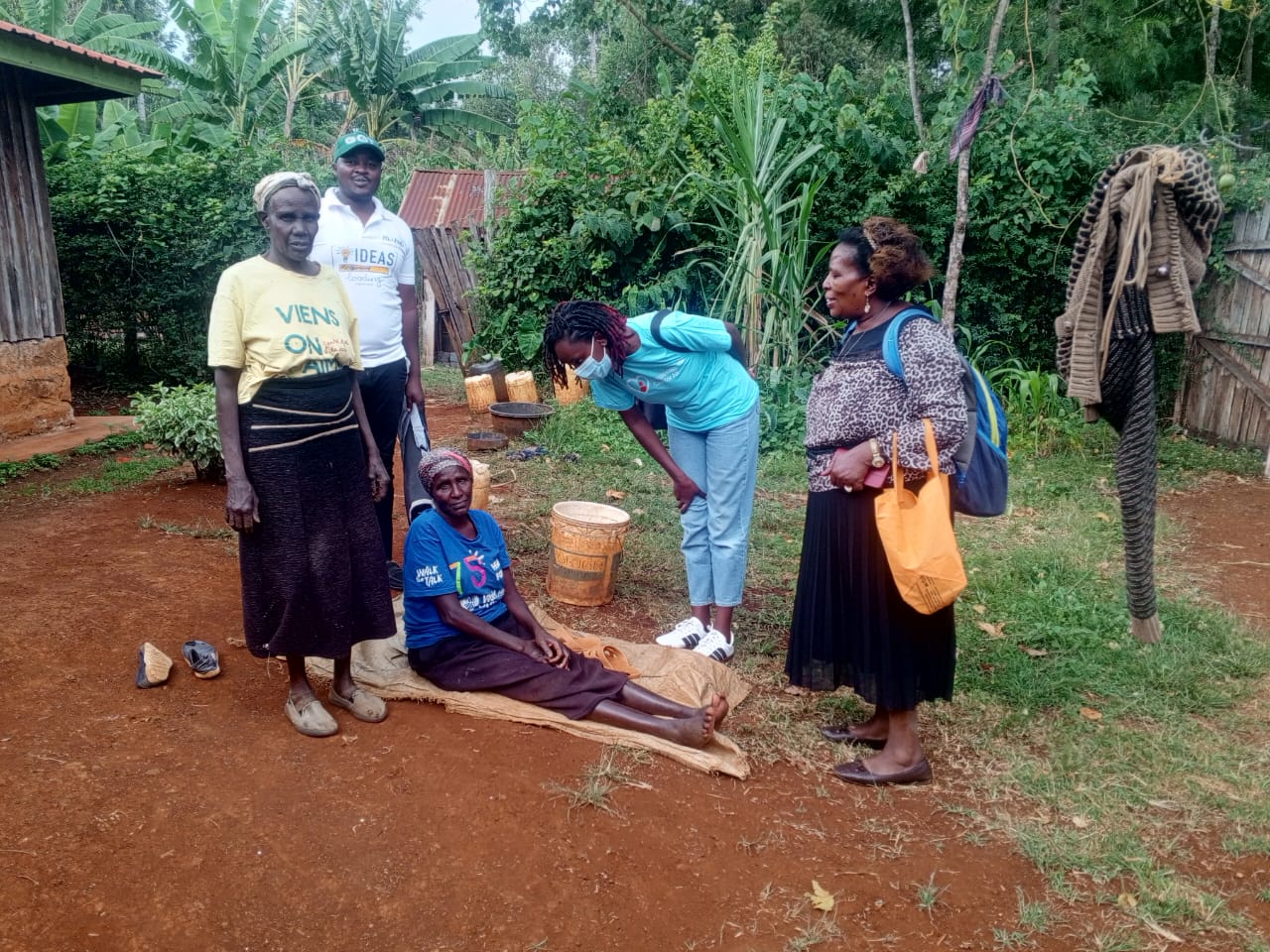
During a recent home visit in Tetu Sub-County, Nyeri County, Compassionate Care for All supported a family caring for a woman living with the effects of a cerebrovascular accident (stroke). She is currently unable to walk or speak and her sister has become her full-time primary caregiver.
Across Kenya, many stroke survivors recover at home without access to structured rehabilitation services. Family members often daughters or sisters step into caregiving roles without formal training, carrying heavy physical, emotional and financial responsibilities.
The Caregiver’s Reality
The patient’s sister shared the daily challenges she faces:
Lifting and repositioning her sibling safely
Preventing pressure sores
Managing medications and therapy routines
Covering the cost of treatment and supportive devices
Coping with emotional stress and uncertainty
Her dedication was clear. But so was the strain.
Practical Stroke Care Training at Home
Our team provided hands-on caregiver training for stroke recovery at home, focusing on practical skills that immediately improve safety and healing:
Safe techniques for sitting, standing and assisted movement
Proper positioning to prevent bedsores
Gentle range-of-motion exercises to maintain joint flexibility
Nutrition and hydration guidance to support recovery
Communication techniques to maintain dignity even when speech is limited
These are simple but powerful interventions. When caregivers understand how to move, position and support a stroke survivor correctly, they reduce complications, accelerate recovery and prevent avoidable hospital readmissions.
Beyond Physical Recovery
Stroke recovery is not only physical. It can bring frustration, grief and emotional exhaustion for both patient and caregiver.
We emphasized patience, empathy and consistent reassurance. We also reminded the caregiver that her wellbeing matters. Sustainable home-based rehabilitation depends on a caregiver who is supported, informed, and emotionally steady.
Why This Work Matters in Nyeri County
As rates of hypertension and non-communicable diseases rise, stroke cases are increasing across Kenya. Yet access to affordable rehabilitation remains limited, especially in rural communities.
During a recent home visit in Tetu Sub-County, Nyeri County, Compassionate Care for All supported a family caring for a woman living with the effects of a cerebrovascular accident (stroke). She is currently unable to walk or speak and her sister has become her full-time primary caregiver.
Across Kenya, many stroke survivors recover at home without access to structured rehabilitation services. Family members often daughters or sisters step into caregiving roles without formal training, carrying heavy physical, emotional and financial responsibilities.
The Caregiver’s Reality
The patient’s sister shared the daily challenges she faces:
Lifting and repositioning her sibling safely
Preventing pressure sores
Managing medications and therapy routines
Covering the cost of treatment and supportive devices
Coping with emotional stress and uncertainty
Her dedication was clear. But so was the strain.
Practical Stroke Care Training at Home
Our team provided hands-on caregiver training for stroke recovery at home, focusing on practical skills that immediately improve safety and healing:
Safe techniques for sitting, standing and assisted movement
Proper positioning to prevent bedsores
Gentle range-of-motion exercises to maintain joint flexibility
Nutrition and hydration guidance to support recovery
Communication techniques to maintain dignity even when speech is limited
These are simple but powerful interventions. When caregivers understand how to move, position and support a stroke survivor correctly, they reduce complications, accelerate recovery and prevent avoidable hospital readmissions.
Beyond Physical Recovery
Stroke recovery is not only physical. It can bring frustration, grief and emotional exhaustion for both patient and caregiver.
We emphasized patience, empathy and consistent reassurance. We also reminded the caregiver that her wellbeing matters. Sustainable home-based rehabilitation depends on a caregiver who is supported, informed, and emotionally steady.
Why This Work Matters in Nyeri County
As rates of hypertension and non-communicable diseases rise, stroke cases are increasing across Kenya. Yet access to affordable rehabilitation remains limited, especially in rural communities.