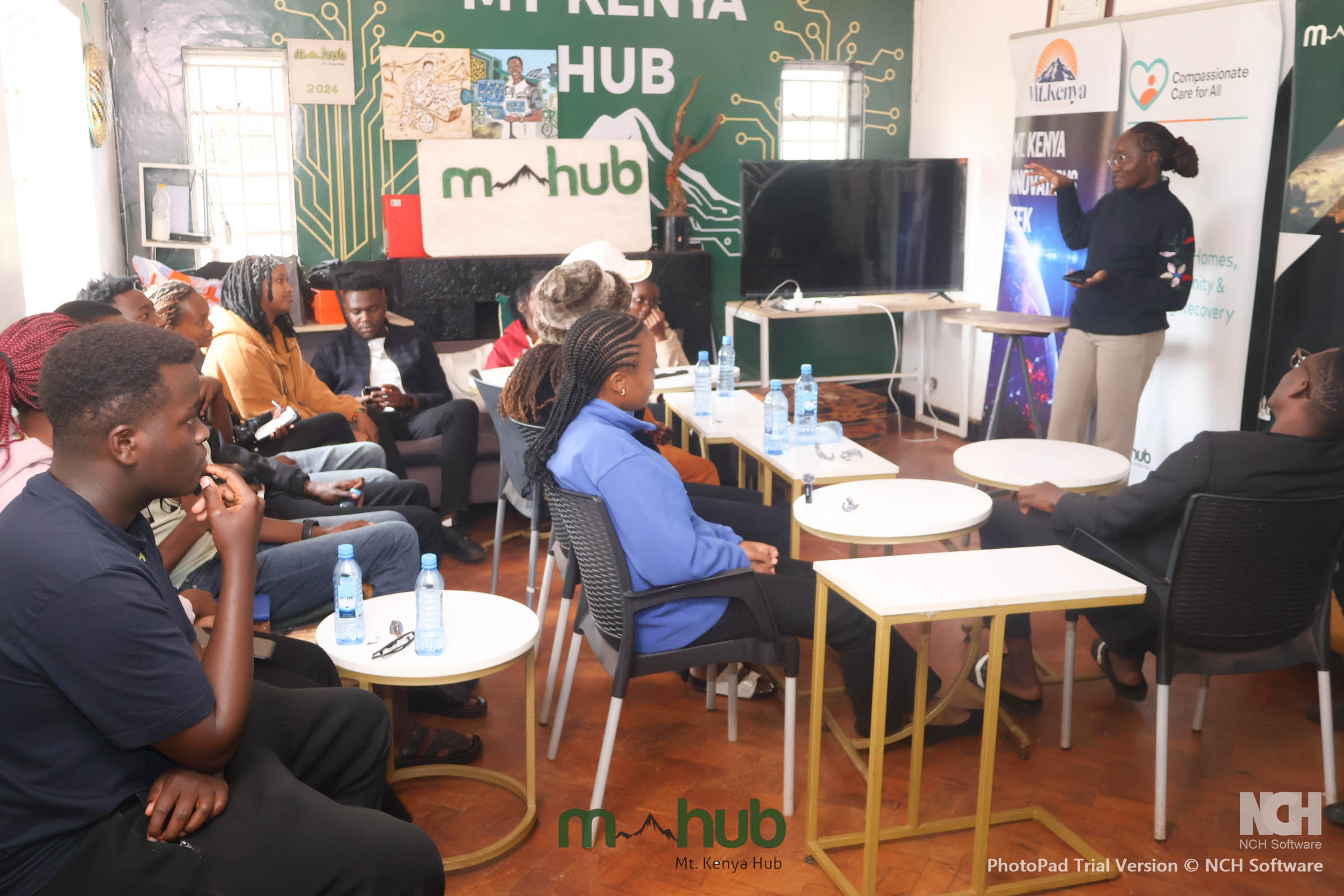
At Mt Kenya Innovation Hub in Nyeri, CCFA trained family caregivers on healthy eating that fits each patient’s condition, from diabetes and hypertension to stroke recovery and palliative care.
Food is part of recovery. What a patient eats, how it is prepared and how it is given can affect healing, energy and comfort, and the right choices are not the same for every condition.
On 7 October 2026, at Mt Kenya Innovation Hub in Nyeri, Compassionate Care for All (CCFA) held three training sessions for family caregivers. The second session focused on nutrition and healthy eating that takes the patient’s condition into account, and 15 caregivers took part. The aim was simple: help caregivers feel confident about what to cook, how to serve it and what to watch for.
Eating well, condition by condition
1. Diabetes: regular balanced meals, less sugary food and drink, sensible portions, and following the health team’s advice on medicine and meal timing.
2. High blood pressure: cooking with less salt, cutting back on salty processed foods, and eating more vegetables and fruit.
3. Stroke recovery: sitting upright to eat, serving food in textures that are easier to swallow, giving time and patience, and watching for coughing or choking. Swallowing problems should always be reported to a health professional.
4. Cancer and palliative care: small, frequent meals, favourite foods when appetite is poor, and comfort over strict rules.
5. Dementia: simple, familiar meals, a calm routine, finger foods and gentle reminders to eat and drink.
6. Bedridden patients: enough protein, fluids and variety to support healing and help protect the skin.
Lessons for every home
Caregivers also learned to prepare food hygienically, to make good use of foods that are available locally, and to make sure patients drink enough fluids. They learned to notice warning signs such as poor appetite, weight loss and dehydration, and to report them to a health professional early. Caregivers do not need to change a patient’s special diet on their own. Any change should go through the patient’s health care team.
Caring for the carer
Caregivers often skip meals while looking after someone else. We reminded them that their own nutrition and rest matter too.
Caregivers who attended the day’s sessions were awarded a certificate. Training is only the beginning, so our team continues to support caregivers through home visits and telehealth follow-up.